Alkali Basalt
“Sodium-rich lava from deep melting”
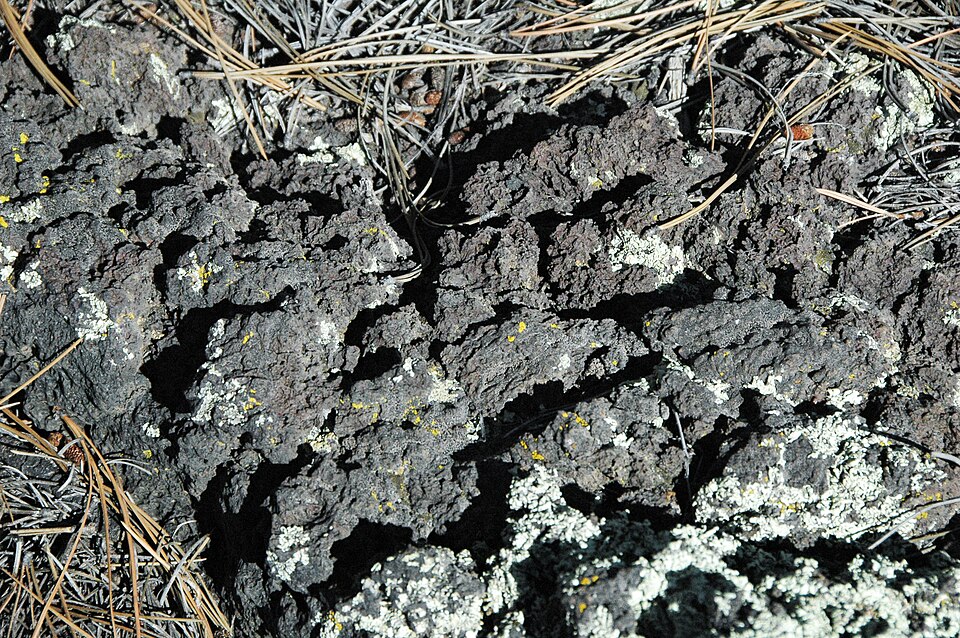
Alkali basalt is a variety of basalt enriched in sodium and potassium relative to common tholeiitic basalt, produced by smaller degrees of partial melting at greater depths in the mantle. It's the typical lava of ocean island volcanoes during their later stages and continental rift zones.
plagioclase, olivine, augite (titaniferous), nepheline (groundmass), magnetite, ilmenite
Canary Islands, East African Rift, Jeju Island (South Korea), Eifel (Germany), eastern Australia, Hawaii (post-shield stage)
5.5-6
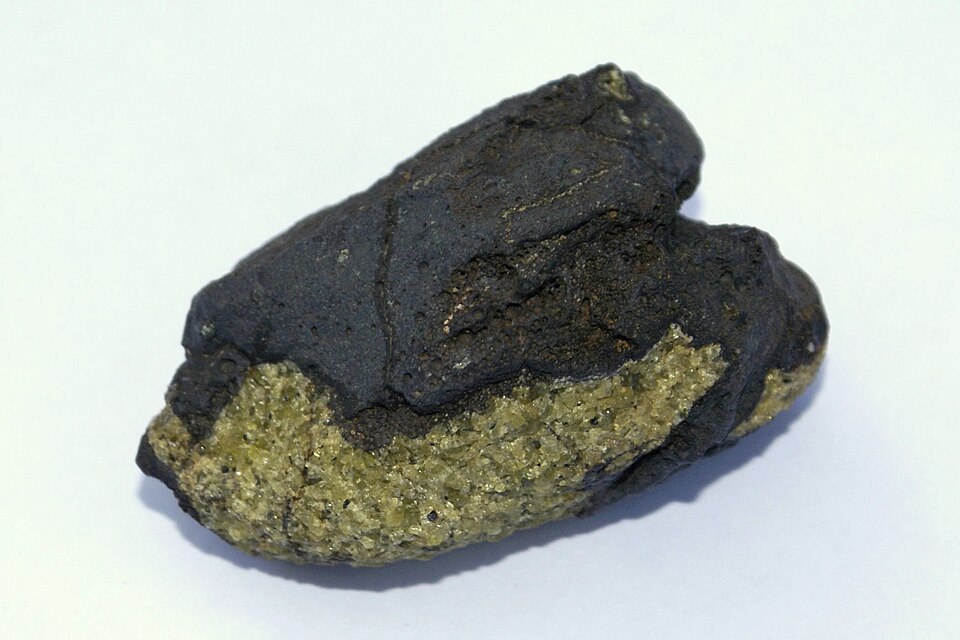
Alkali basalts frequently carry mantle xenoliths — chunks of green peridotite from 50-100 km deep — because their magmas ascend rapidly from great depth, tearing off pieces of the mantle along the way.
Test Your Knowledge
Compared to tholeiitic basalt, alkali basalt is produced by what difference in mantle melting?
Related Specimens
Want to identify rocks yourself?