Chalk (Foraminiferal)
“Limestone built from microscopic shells of plankton”
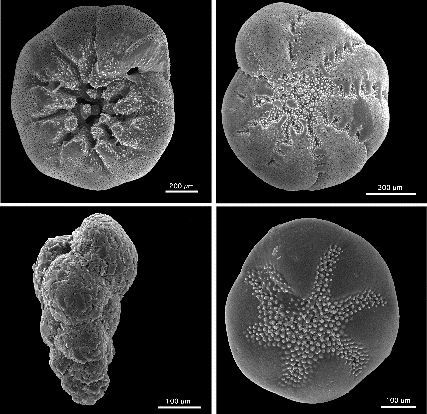
Foraminiferal chalk is a soft limestone composed predominantly of the calcite tests (shells) of foraminifera — single-celled marine organisms. While classic white chalk is built mainly from coccolithophores, many chalks and chalky limestones are dominated by planktonic foraminifera, recording the ecology of ancient surface oceans.
calcite (foraminiferal tests), calcite (coccoliths), clay minerals, pyrite, glauconite (minor)
North Sea (subsurface — major petroleum reservoir), Gulf of Mexico, Niobrara Formation (Kansas/Colorado, USA), Tethyan chalks (Mediterranean region)
1-2
North Sea chalk is one of the world's most important petroleum reservoir rocks — oil fields like Ekofisk and Valhall in Norwegian waters produce billions of barrels from fractured foraminiferal chalk buried kilometers beneath the sea floor.
Test Your Knowledge
What makes fractured chalk an effective petroleum reservoir despite being a fine-grained, low-permeability rock?
Related Specimens

Want to identify rocks yourself?