Chalk (Nummulitic)
“Coin-shaped fossils that built the pyramids”
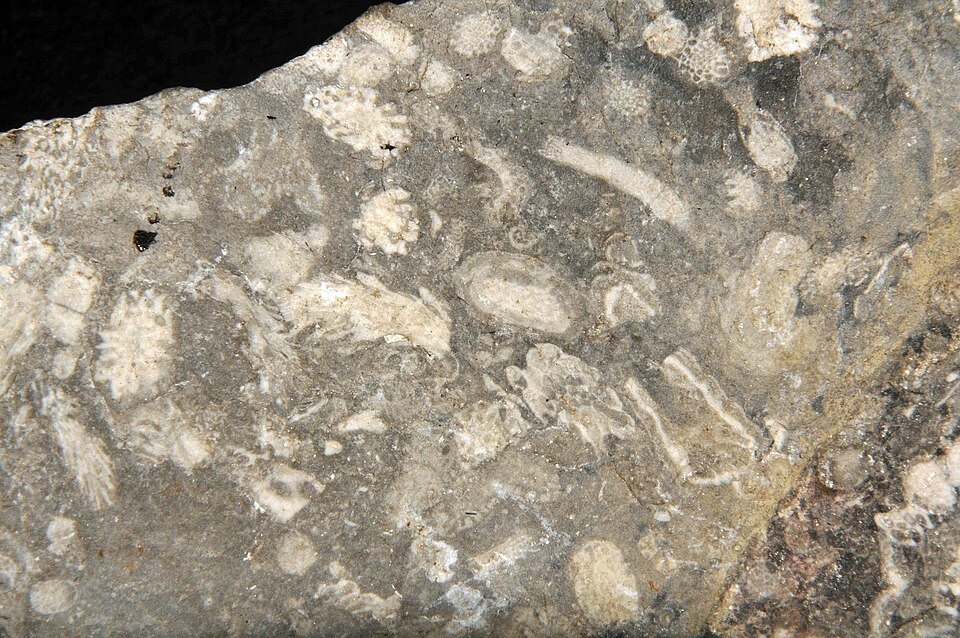
Nummulitic limestone is a variety of chalky limestone packed with the disc-shaped fossils of nummulites — large, coin-like foraminifera that thrived in shallow tropical seas during the Eocene epoch. These fossils are so abundant in some formations that they make up the bulk of the rock.
calcite (nummulite tests), calcite cement, clay minerals, quartz (minor), glauconite
Giza Plateau (Egypt), Mokattam Hills (Egypt), northern Libya, southern Europe, Oman
3-4
The Great Pyramids of Giza are built primarily from nummulitic limestone — the coin-shaped fossils are visible throughout the blocks, and the ancient Greek historian Herodotus thought they were petrified lentils from workers' meals.
Test Your Knowledge
Why did Herodotus mistakenly identify nummulite fossils in the Giza pyramids as petrified lentils?
Photo Attribution
Related Specimens

Want to identify rocks yourself?