Paragonite Schist
“Sodium mica marking high-pressure metamorphism”
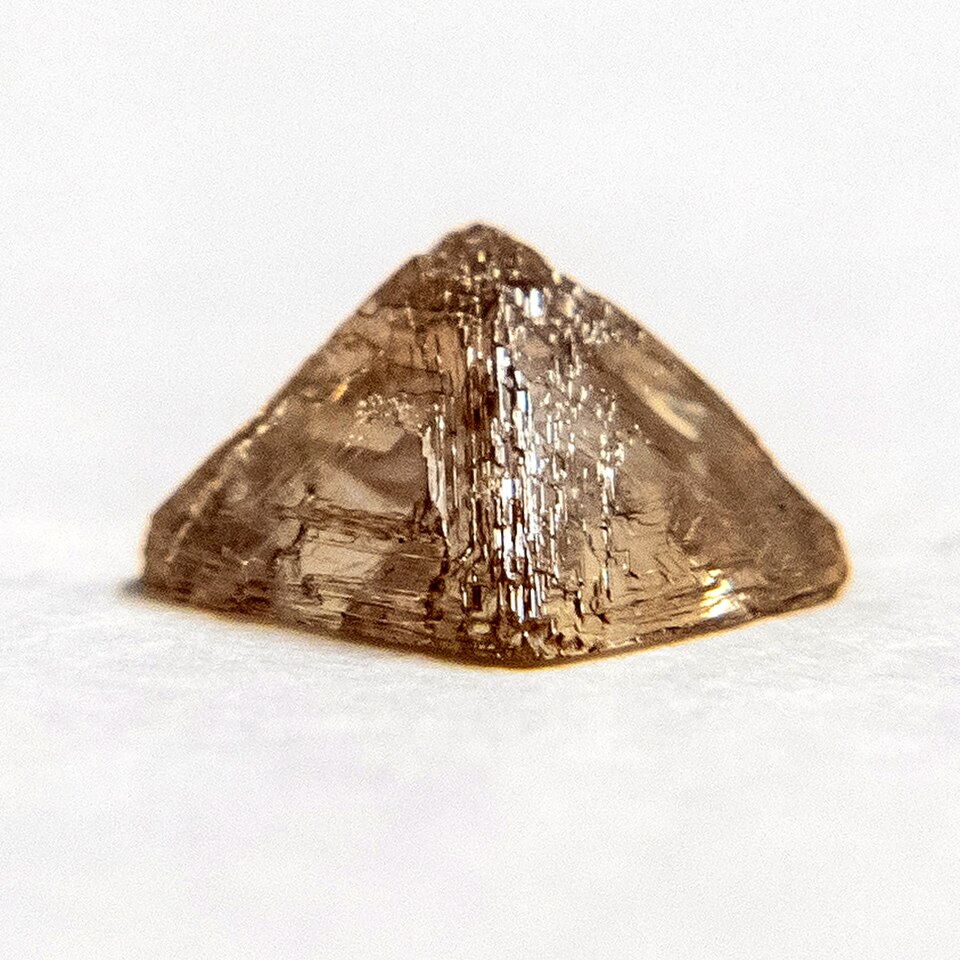
Paragonite schist is a metamorphic rock containing paragonite — the sodium analogue of muscovite. Paragonite is particularly common in high-pressure, low-temperature metamorphic rocks from subduction zones, where it provides information about the fluid chemistry during metamorphism.
paragonite (Na-mica), quartz, garnet, kyanite, chloritoid, rutile, zoisite
Monte Rosa (Swiss/Italian Alps), Sesia Zone (Italy), Cycladic Islands (Greece), Otago (New Zealand), Vermont (USA)
3-4
Paragonite is so similar to muscovite that the two were confused for centuries — even today, they can only be reliably distinguished using X-ray diffraction or electron microprobe analysis, as they look identical in hand specimen.
Test Your Knowledge
What does the sodium content of paragonite (versus potassium in muscovite) indicate about the metamorphic conditions of the rock?
Related Specimens


Want to identify rocks yourself?