Phosphatic Nodule
“Nutrient-rich lumps from the sea floor”
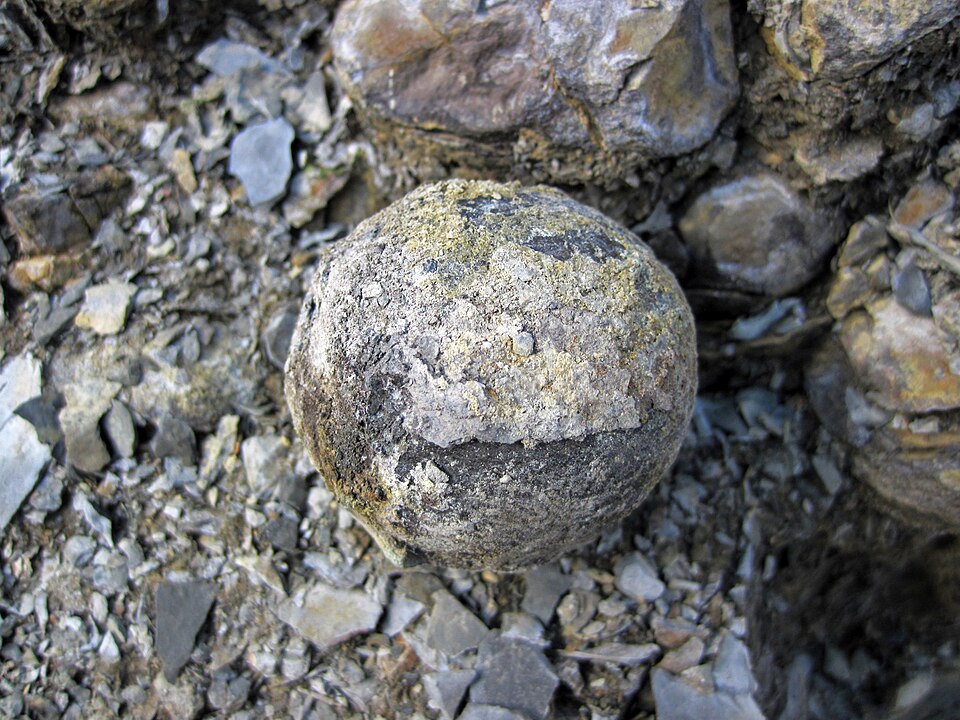
Phosphatic nodules are rounded concretions of calcium phosphate that form on the sea floor where nutrient-rich upwelling waters cause phosphate to precipitate around a nucleus. They often contain remarkably preserved fossils and have been mined as phosphate fertilizer for agriculture.
francolite (carbonate-fluorapatite), calcite, quartz, glauconite, organic matter, fossil fragments
Cambridge Greensand (England), Peruvian shelf, Namibian shelf, Florida Platform (USA), North African phosphate belt
4-5
Victorian fossil collectors prized phosphatic nodules from the Cambridge Greensand because they contained exquisitely preserved ichthyosaur and plesiosaur bones — some nodules were essentially natural fossil cases.
Test Your Knowledge
What oceanographic process drives the formation of phosphatic nodules on the sea floor?
Related Specimens

Want to identify rocks yourself?