Buchite
“Sediment fused to glass by lava”
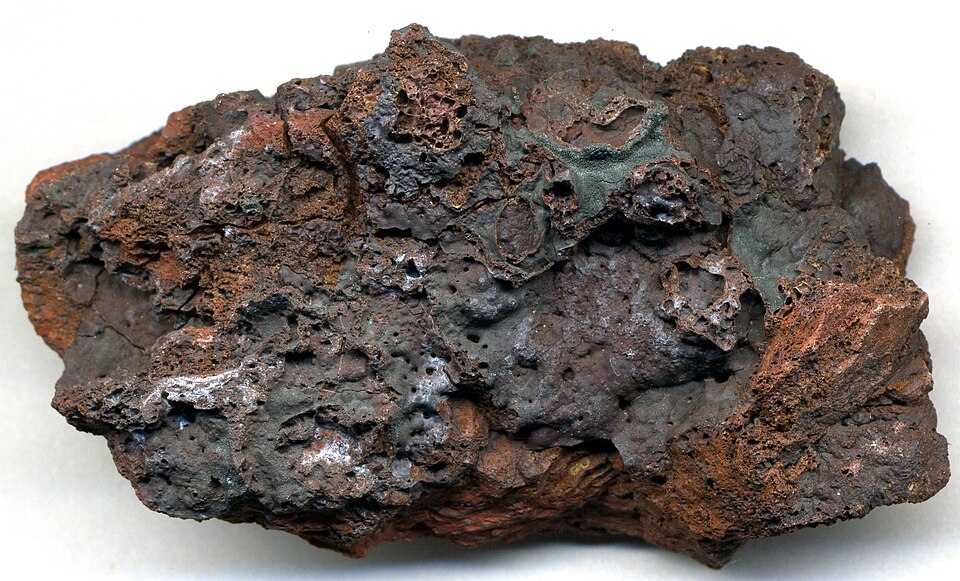
Buchite is a rare, partially melted (vitrified) metamorphic rock that forms when extremely hot lava or magma comes into direct contact with clay-rich sediments. The intense heat is enough to partially melt the sediment into a dark, glassy rock, creating a natural example of pyrometamorphism.
glass (vitrified clay), cordierite, mullite, tridymite, relict quartz, magnetite
Isle of Mull (Scotland), Portrush (Northern Ireland), coal fire sites (worldwide), Eifel (Germany), Rotliegend (Germany)
5-7
Similar glassy rocks form naturally where underground coal seams catch fire — some coal fires in Pennsylvania and China have burned for decades, slowly baking surrounding rock into buchite-like material.
Test Your Knowledge
What extreme process creates the vitrified (glassy) texture of buchite?
Related Specimens

Recent Specimens
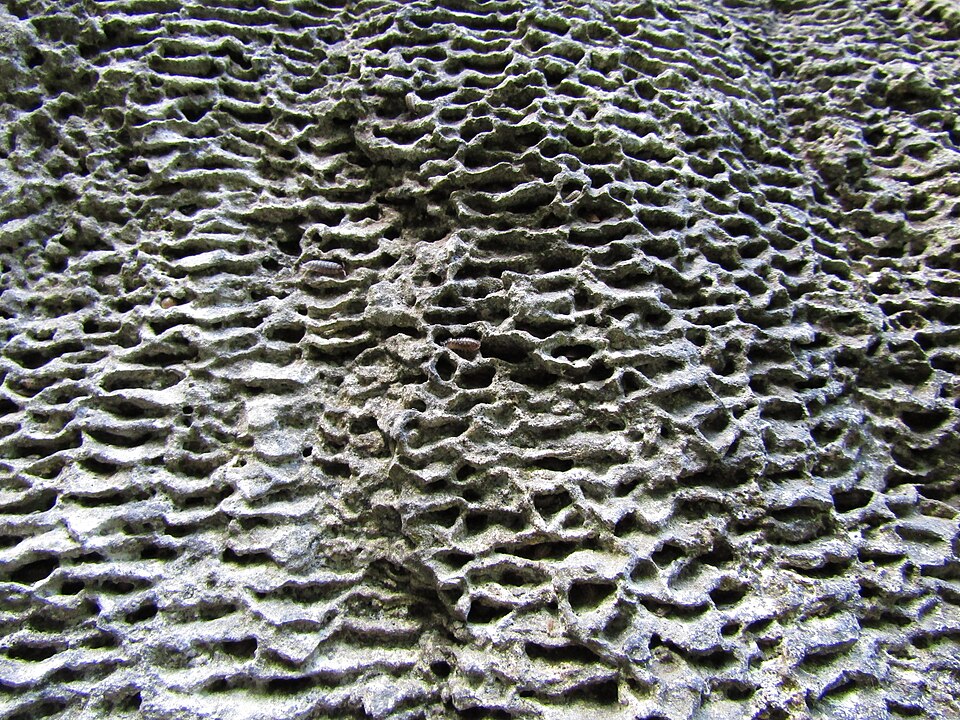
Dripstone (Flowstone)
“Cave walls painted in mineral layers”
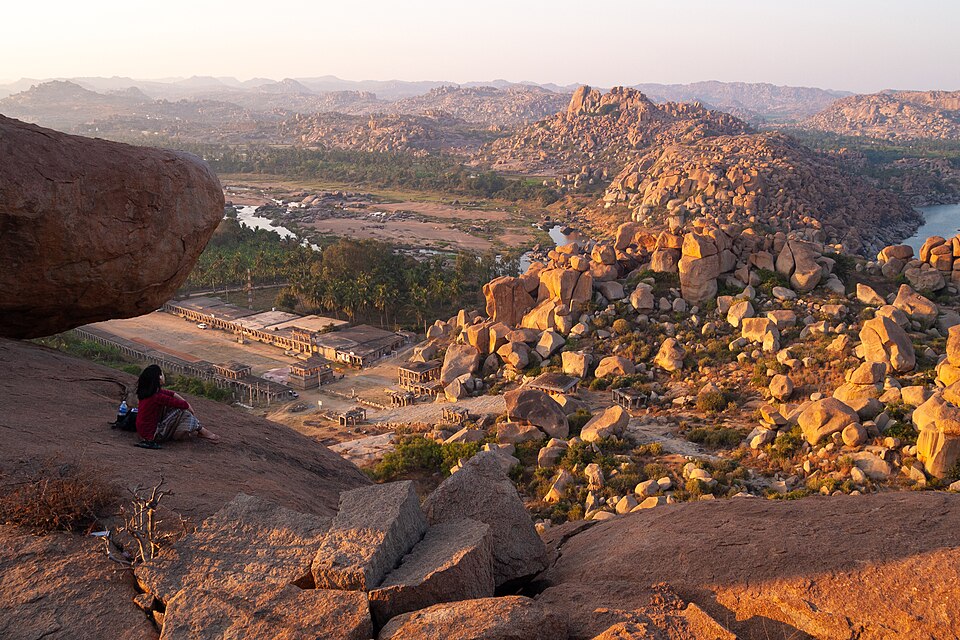
Potassic Granite (A-type)
“Hot, dry granite from the anorogenic interior”
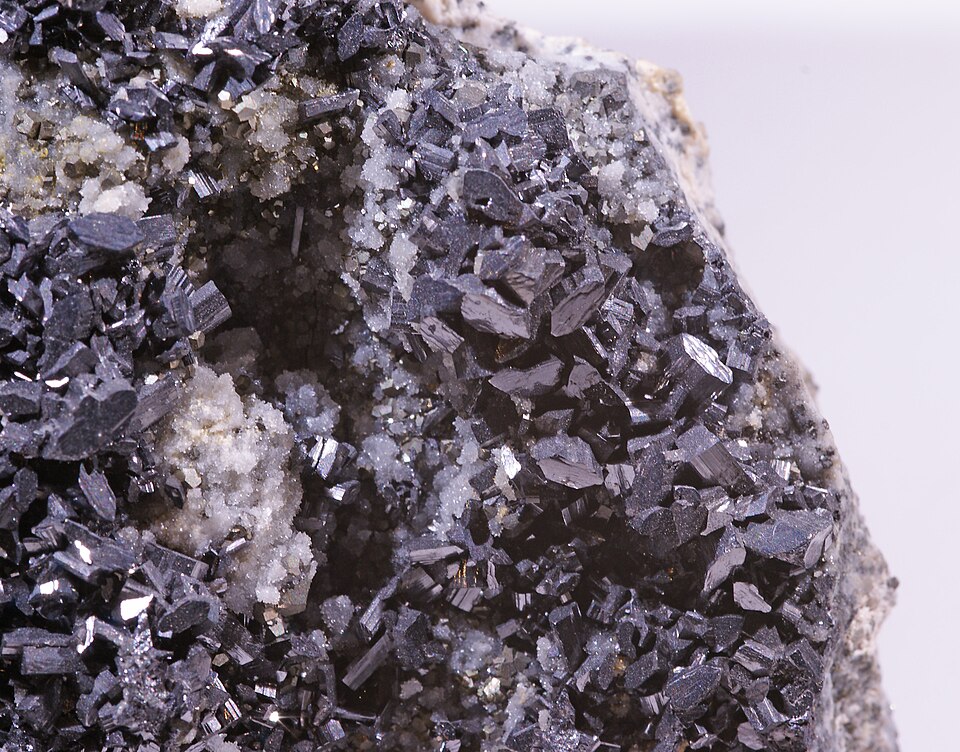
Enargite
“Copper arsenic sulfide from volcanic veins”
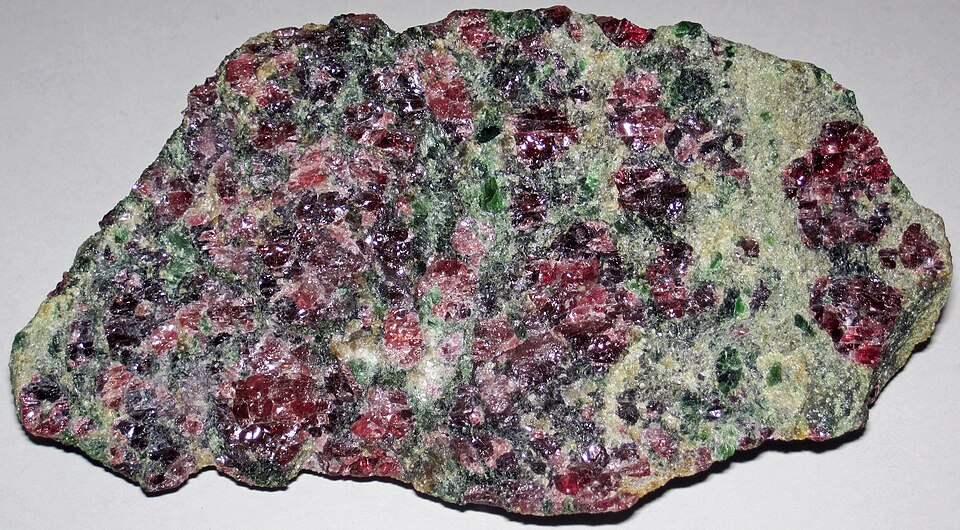
UHP Garnet Peridotite
“Mantle rock squeezed to diamond-bearing depths”
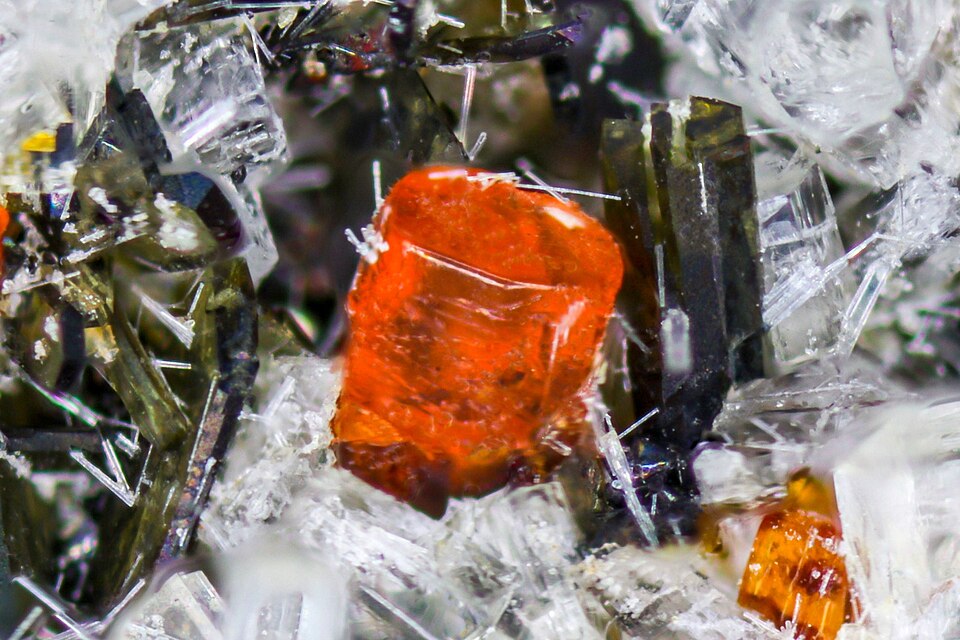
Melilitite
“Ultra-alkaline lava with melilite instead of feldspar”
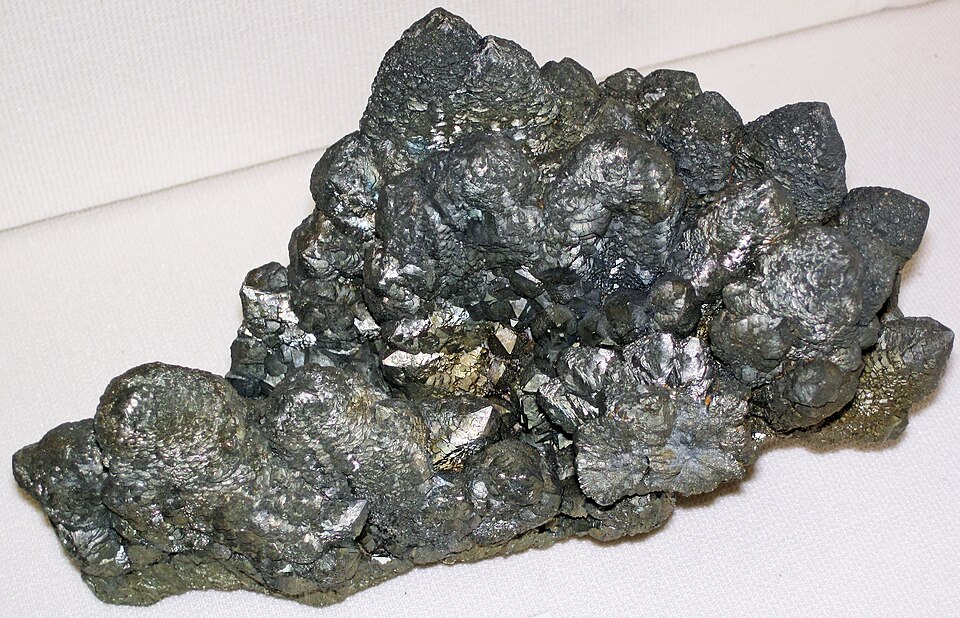
Marcasite
“Pyrite's unstable twin”
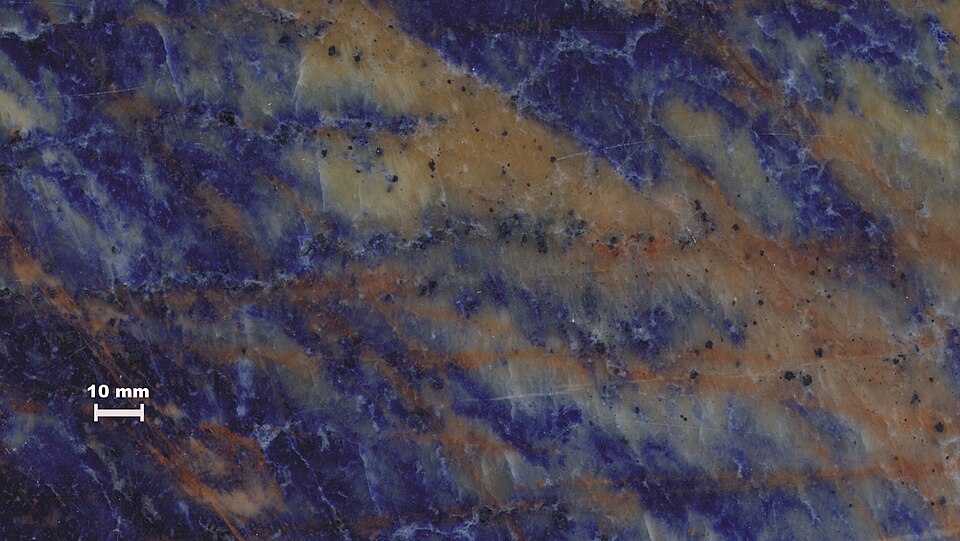
Foidolite
“Plutonic rock dominated by feldspathoids”
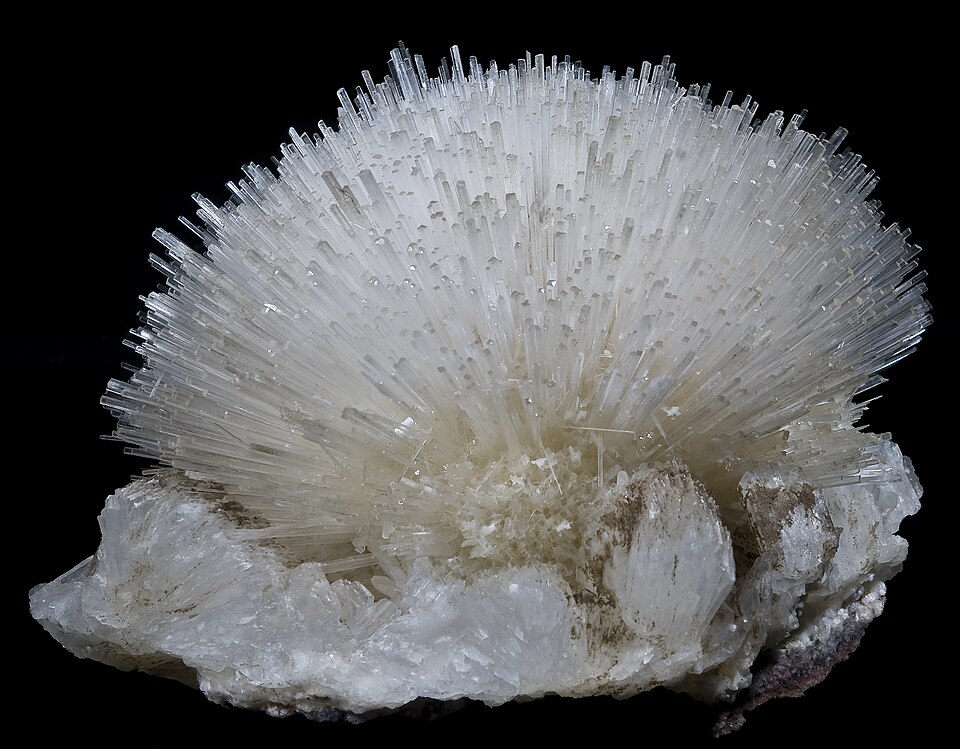
Natrolite
“The sodium zeolite with needle crystals”
Want to identify rocks yourself?