Dripstone (Flowstone)
“Cave walls painted in mineral layers”
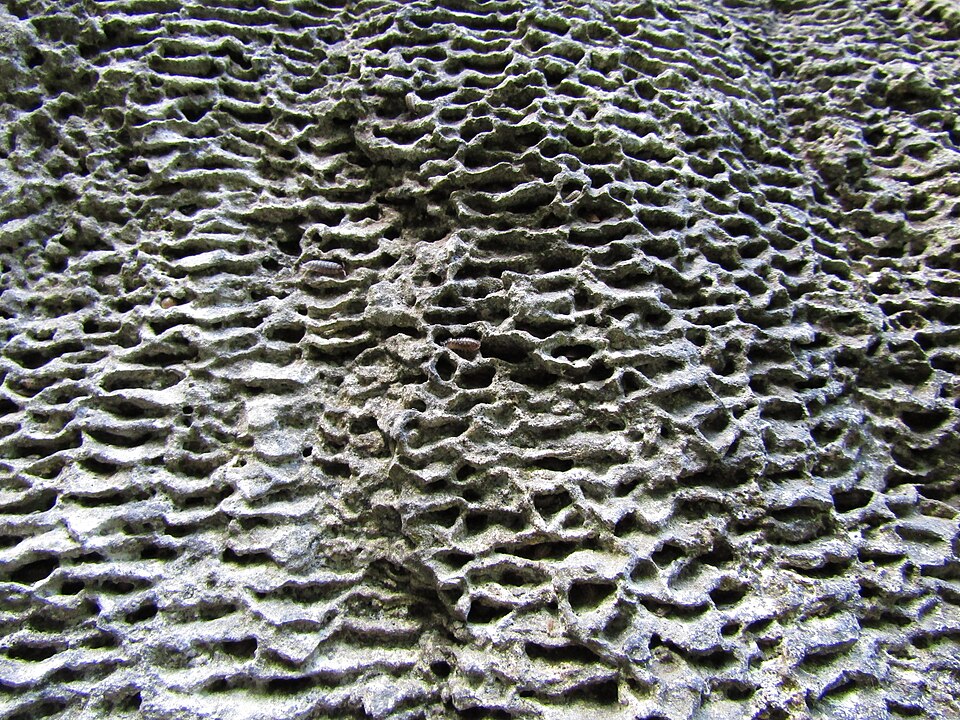
Flowstone is a sheet-like deposit of calcium carbonate that forms on cave walls and floors as thin films of water flow over the surface, precipitating calcite or aragonite in smooth, banded layers. Unlike stalactites and stalagmites which grow from drips, flowstone creates continuous mineral sheets that record climate history.
calcite, aragonite, trace elements (Mg, Sr, Ba), organic acids (humic), detrital clay (in flood layers)
Carlsbad Caverns (New Mexico, USA), Cheddar Gorge (England), Jenolan Caves (Australia), caves in the Dordogne (France), Sterkfontein Caves (South Africa)
3
Uranium-thorium dating of flowstone layers at Sterkfontein Cave in South Africa has been used to date the famous 'Little Foot' Australopithecus fossil to 3.67 million years — flowstone that sealed the fossil provided the critical age constraint.
Test Your Knowledge
How do paleoclimatologists extract climate records from flowstone layers?
Photo Attribution
Related Specimens

Recent Specimens
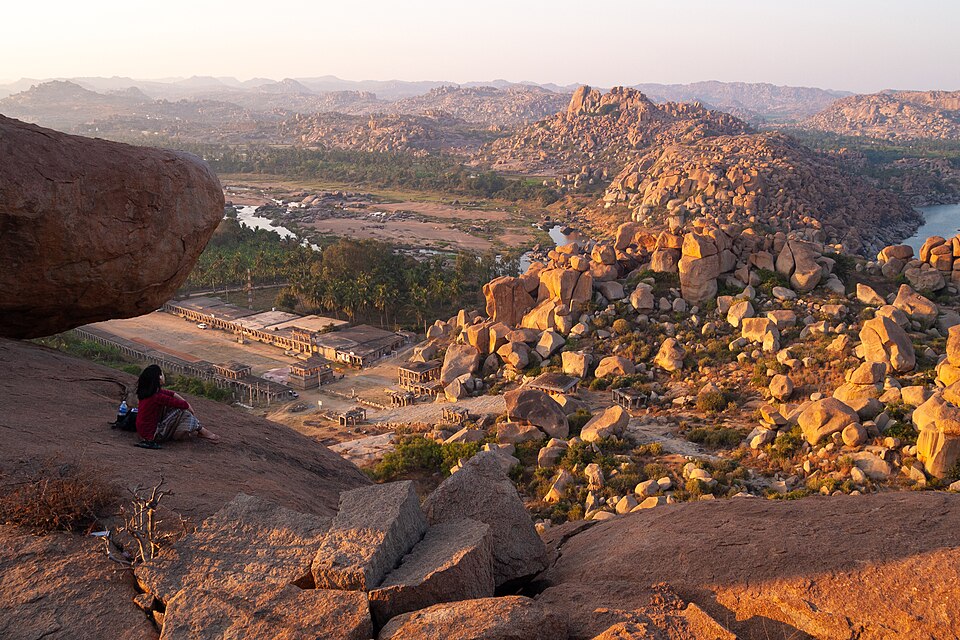
Potassic Granite (A-type)
“Hot, dry granite from the anorogenic interior”
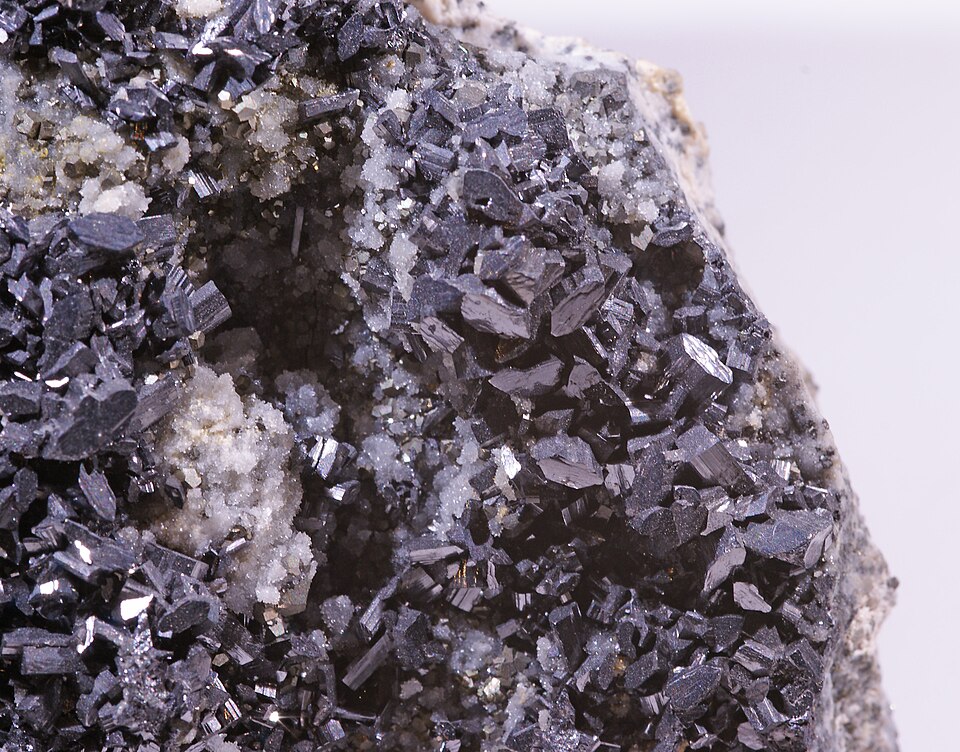
Enargite
“Copper arsenic sulfide from volcanic veins”
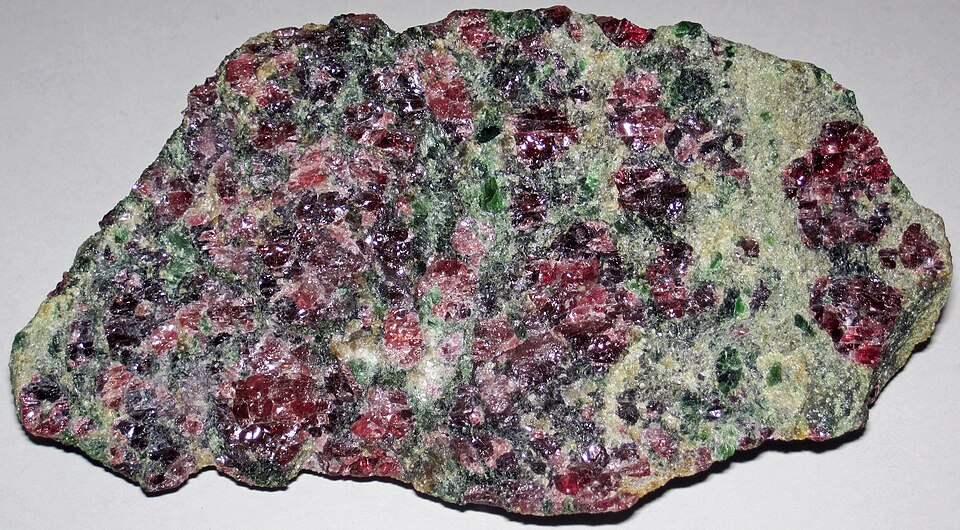
UHP Garnet Peridotite
“Mantle rock squeezed to diamond-bearing depths”
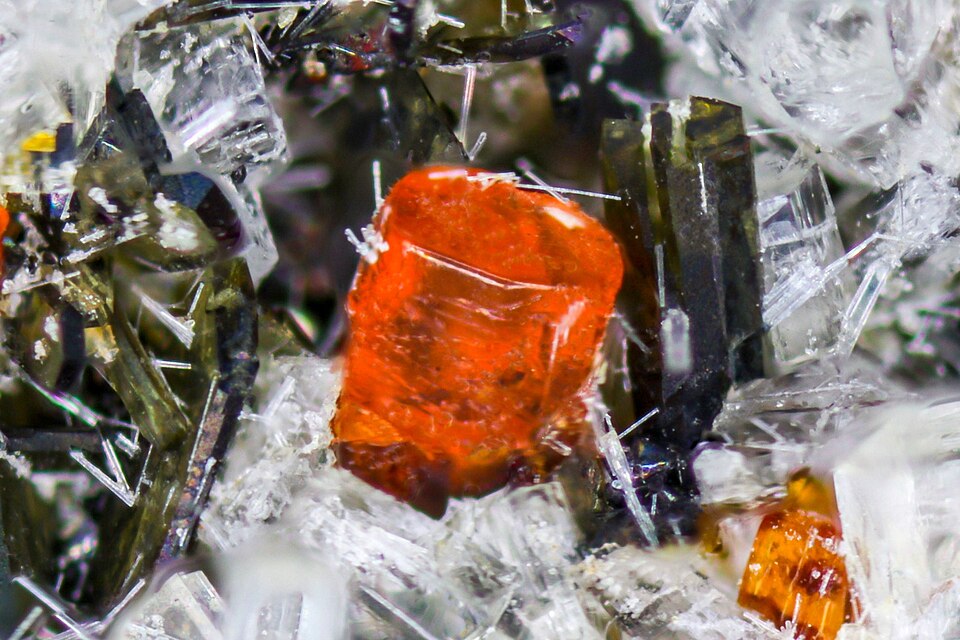
Melilitite
“Ultra-alkaline lava with melilite instead of feldspar”
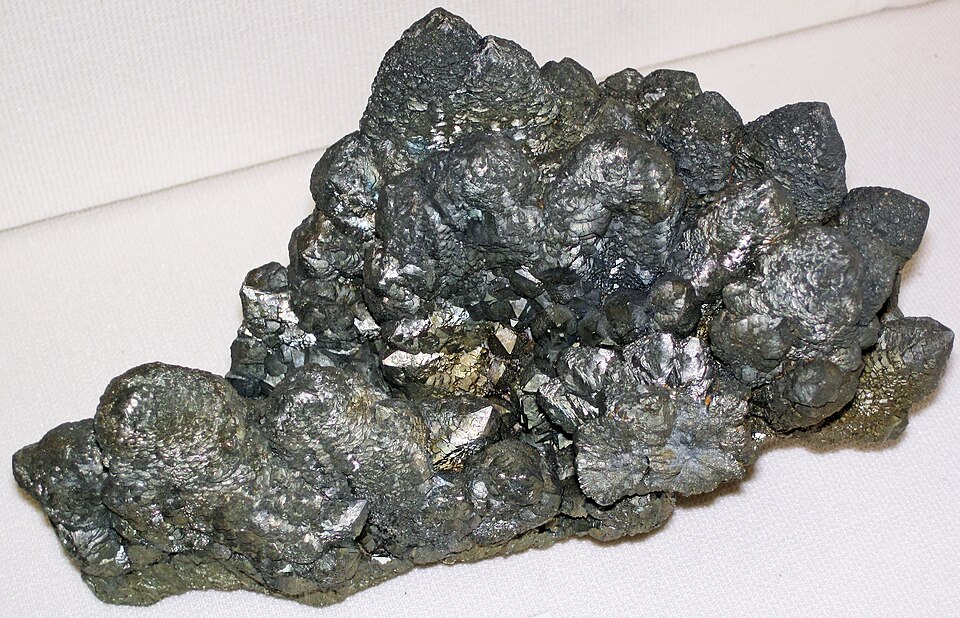
Marcasite
“Pyrite's unstable twin”
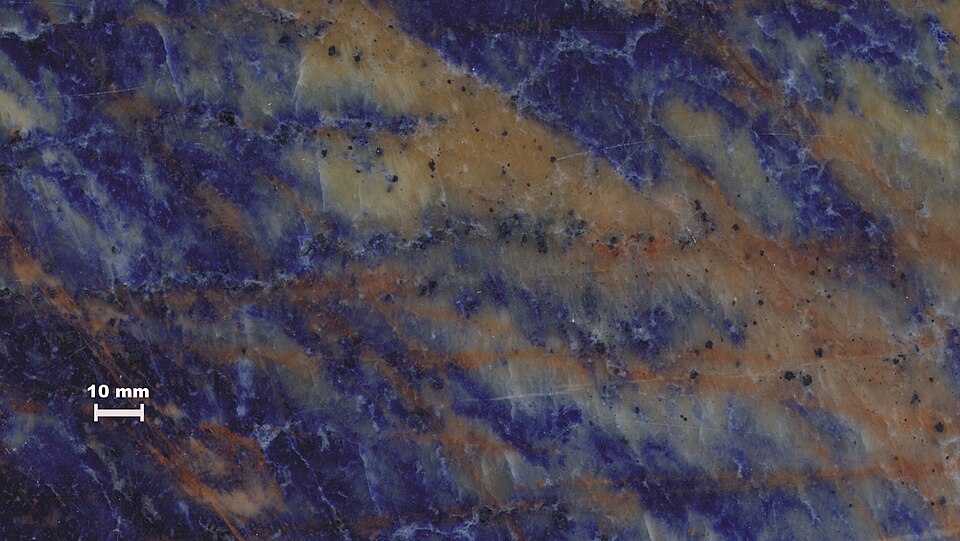
Foidolite
“Plutonic rock dominated by feldspathoids”
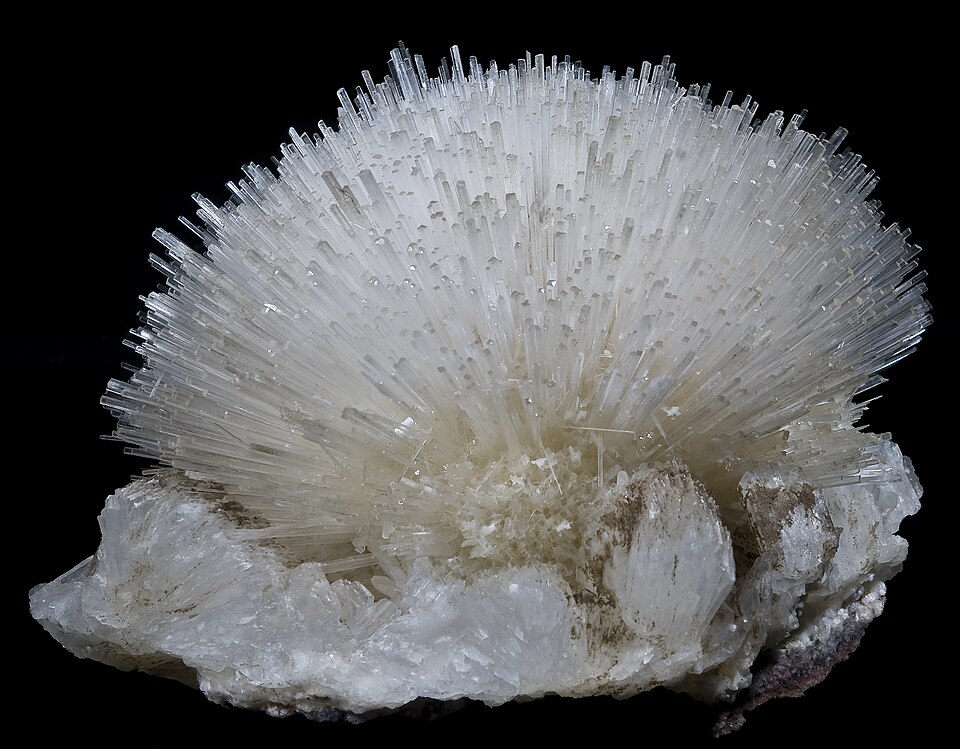
Natrolite
“The sodium zeolite with needle crystals”
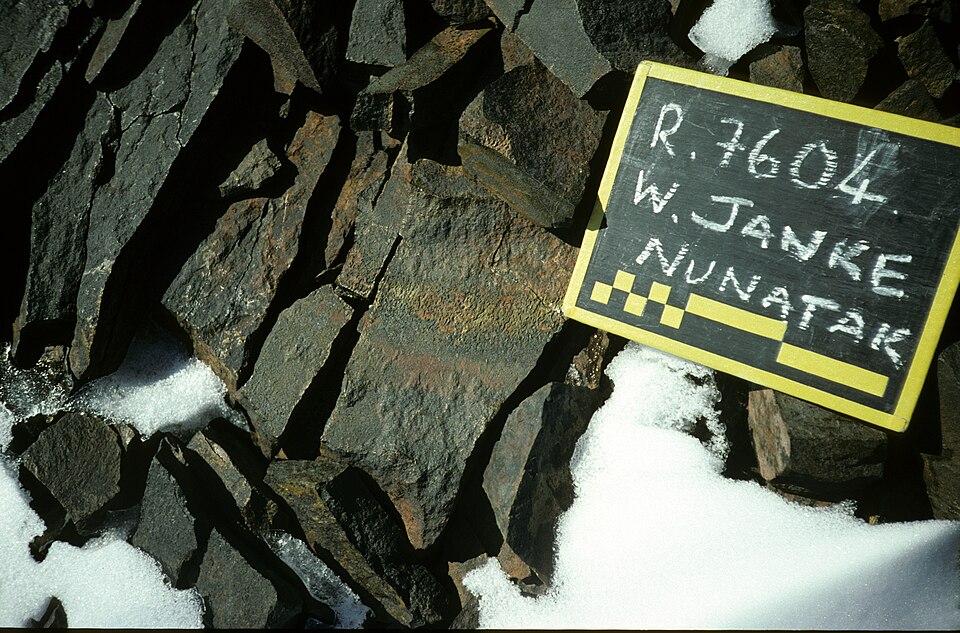
Andalusite Hornfels
“Low-pressure baked rock with crossed crystals”
Want to identify rocks yourself?