Chalk (Writing)
“Classroom chalk from ancient seas”
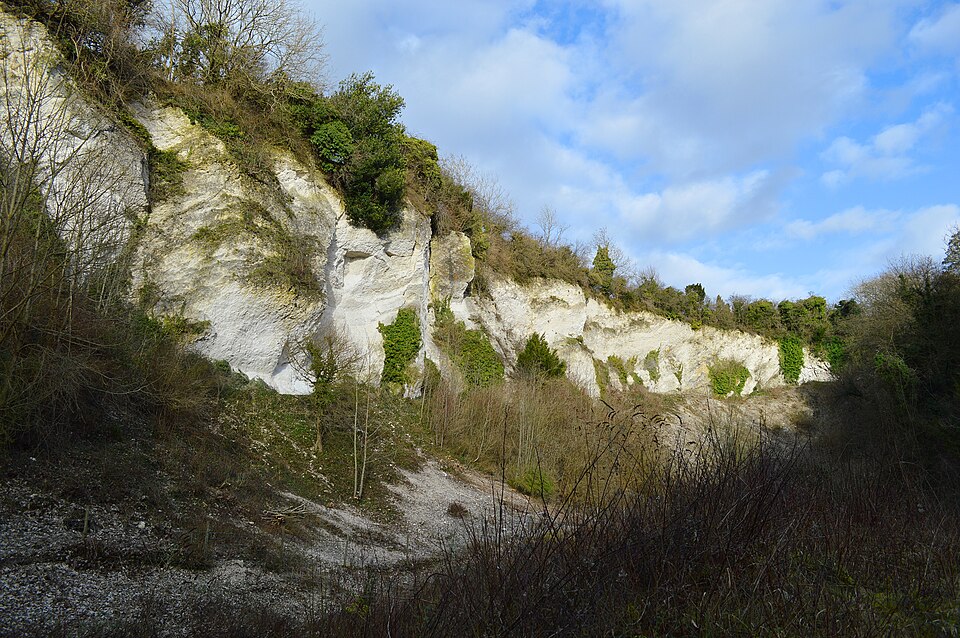
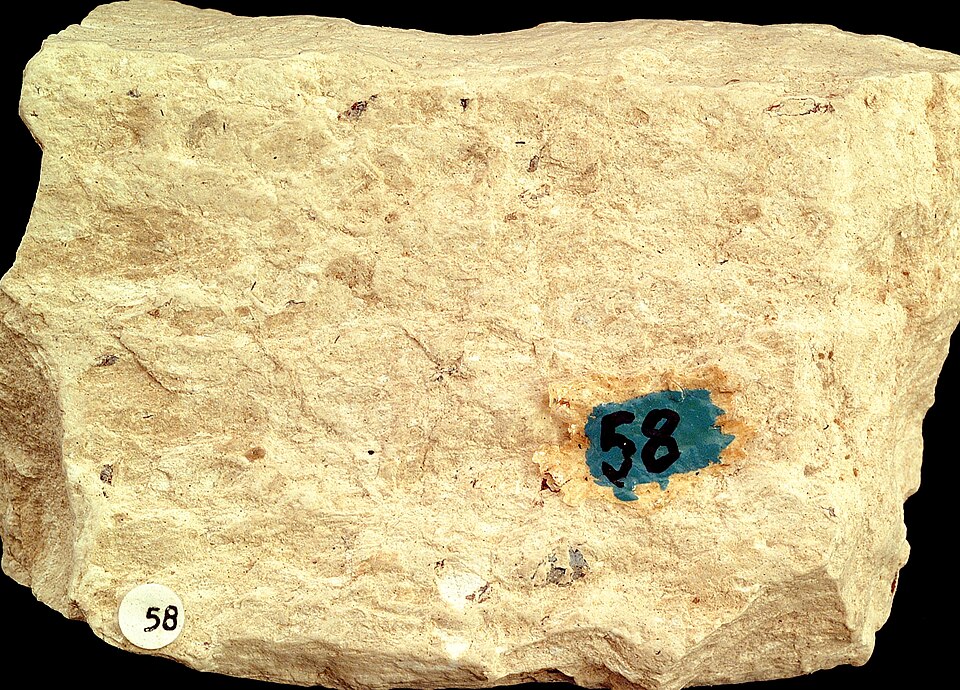
Writing chalk — natural chalk — is a soft, white, porous limestone composed primarily of the calcium carbonate shells of coccolithophores, tiny single-celled algae that lived in warm Cretaceous seas. The word 'Cretaceous' itself comes from the Latin 'creta' meaning chalk, reflecting how this period produced vast chalk formations.
calcite (coccolith plates), foraminifera tests, clay minerals (minor), flint nodules
White Cliffs of Dover (England), Champagne (France), Rügen (Germany), Møns Klint (Denmark), Alabama (USA)
1-2
A single cubic centimeter of chalk can contain billions of coccolith plates — each one a tiny calcium carbonate disc just 5 micrometers across, produced by algae that bloomed in sunlit seas 70-100 million years ago.
Test Your Knowledge
Why is the Cretaceous period named after chalk?
Photo Attribution
Related Specimens

Want to identify rocks yourself?