Erionite
“The zeolite more dangerous than asbestos”
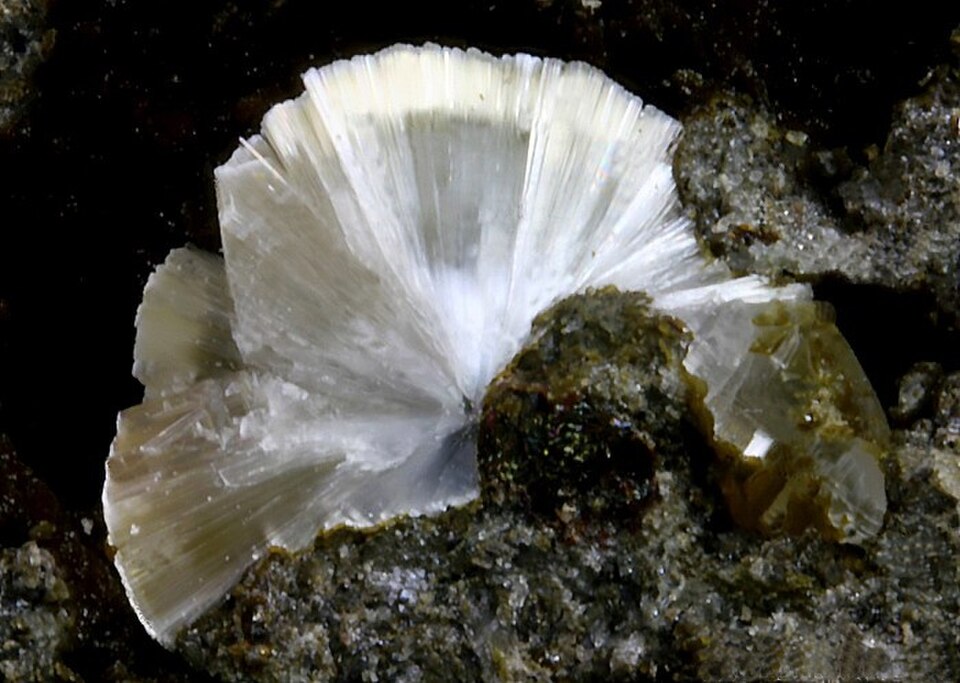
Erionite is a naturally occurring fibrous zeolite mineral found in volcanic tuff deposits. While most zeolites are harmless and industrially useful, erionite's fine fibrous habit makes it one of the most potent carcinogens known — it causes mesothelioma at rates far exceeding even asbestos exposure.
hydrated potassium sodium calcium aluminum silicate ((K,Na,Ca)₂Al₄Si₁₄O₃₆·15H₂O)
Cappadocia (Turkey), Oregon (USA), Nevada (USA), North Dakota (USA), Rome (Oregon), Karain (Turkey)
3.5-4
In three villages in Turkey's Cappadocia region where erionite-bearing volcanic tuff was used as building stone, mesothelioma accounted for over 50% of all deaths — the highest rate of any known carcinogenic exposure in any human population.
Test Your Knowledge
What physical property of erionite makes it a potent carcinogen, similar to asbestos but even more dangerous?
Photo Attribution
Related Specimens


Recent Specimens
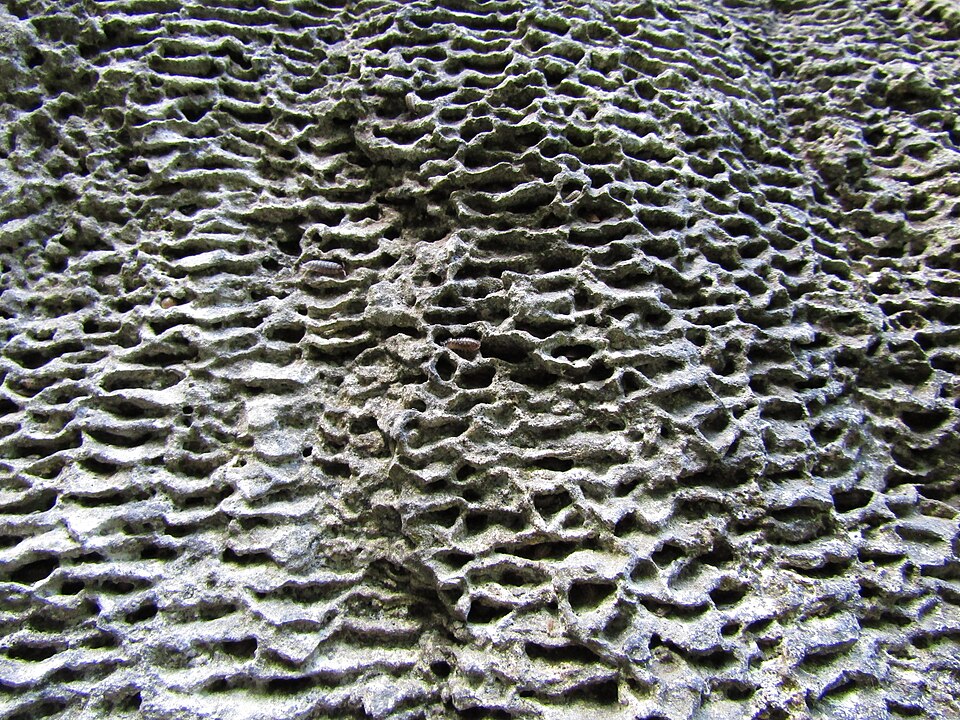
Dripstone (Flowstone)
“Cave walls painted in mineral layers”

Potassic Granite (A-type)
“Hot, dry granite from the anorogenic interior”
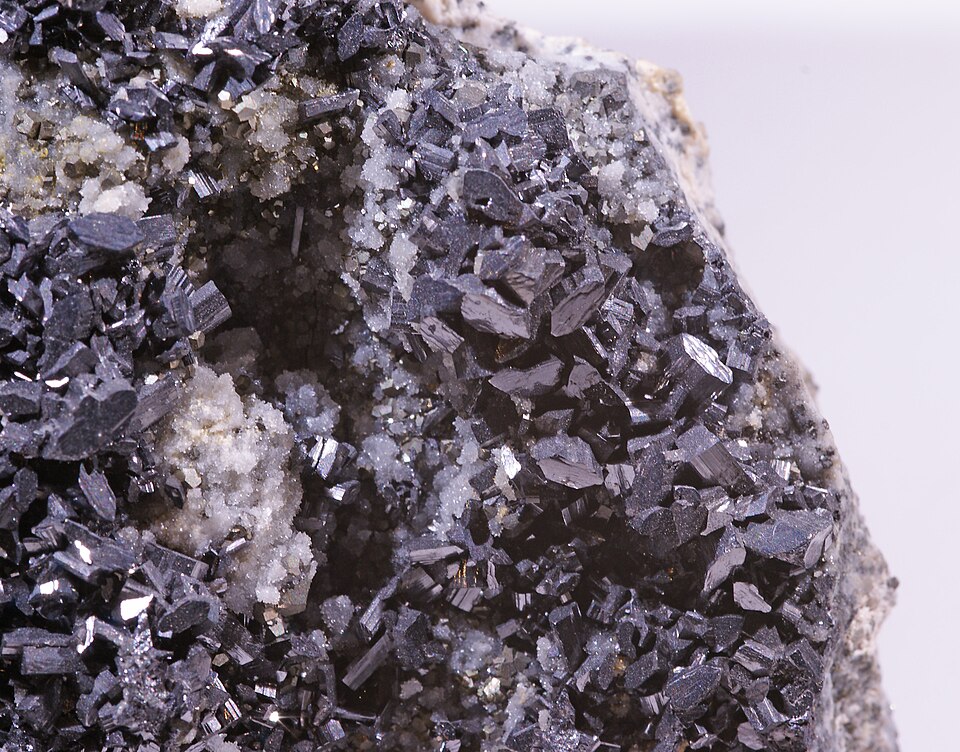
Enargite
“Copper arsenic sulfide from volcanic veins”
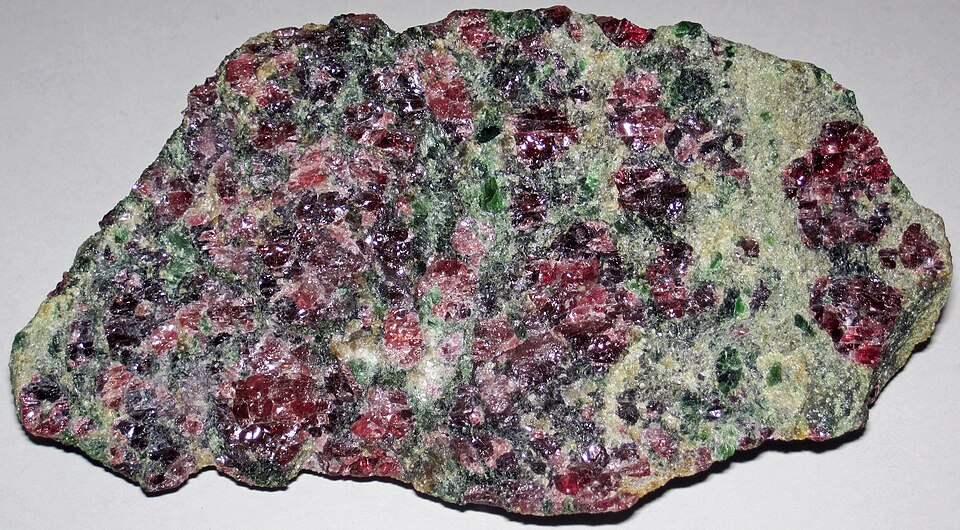
UHP Garnet Peridotite
“Mantle rock squeezed to diamond-bearing depths”
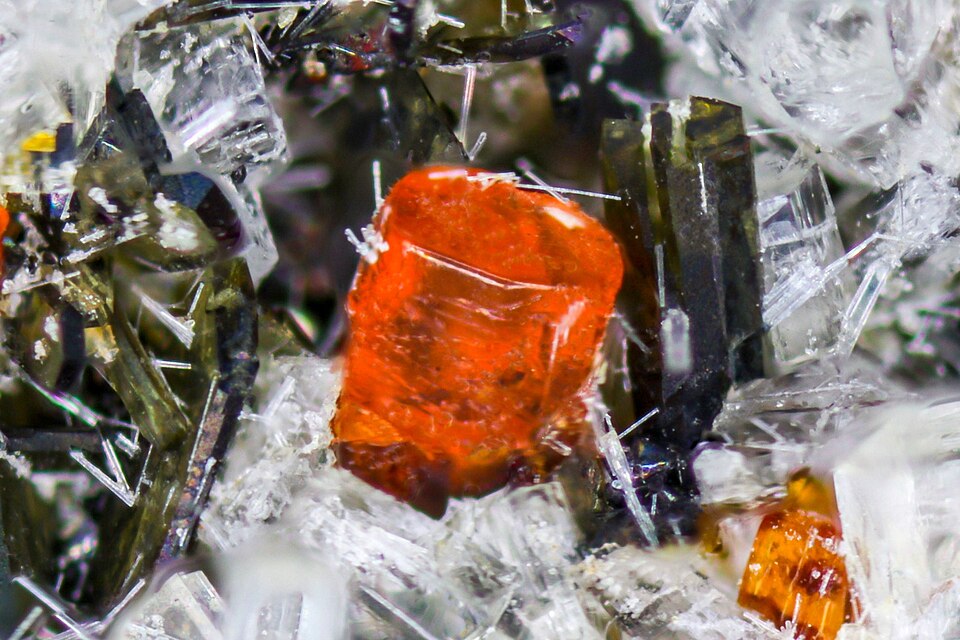
Melilitite
“Ultra-alkaline lava with melilite instead of feldspar”
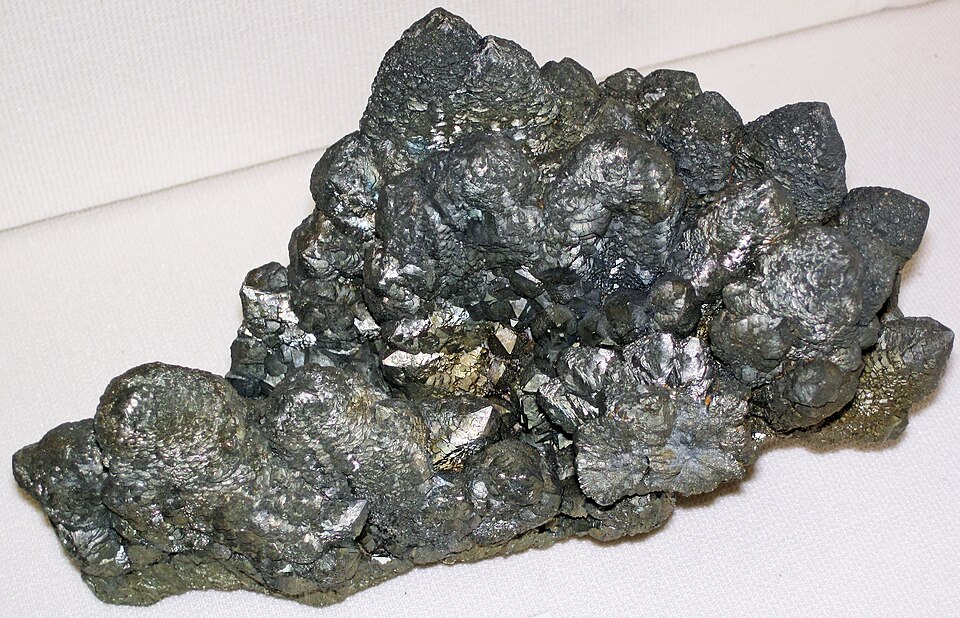
Marcasite
“Pyrite's unstable twin”
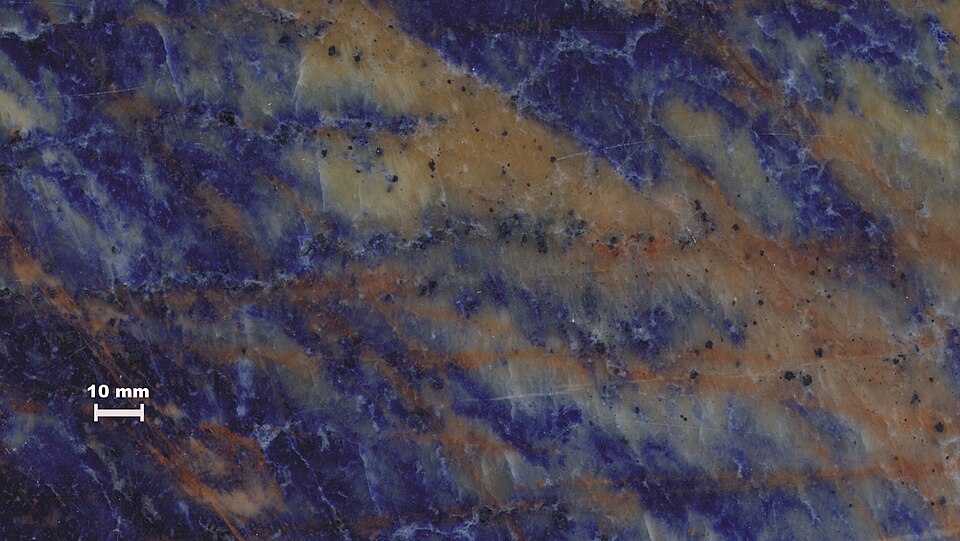
Foidolite
“Plutonic rock dominated by feldspathoids”
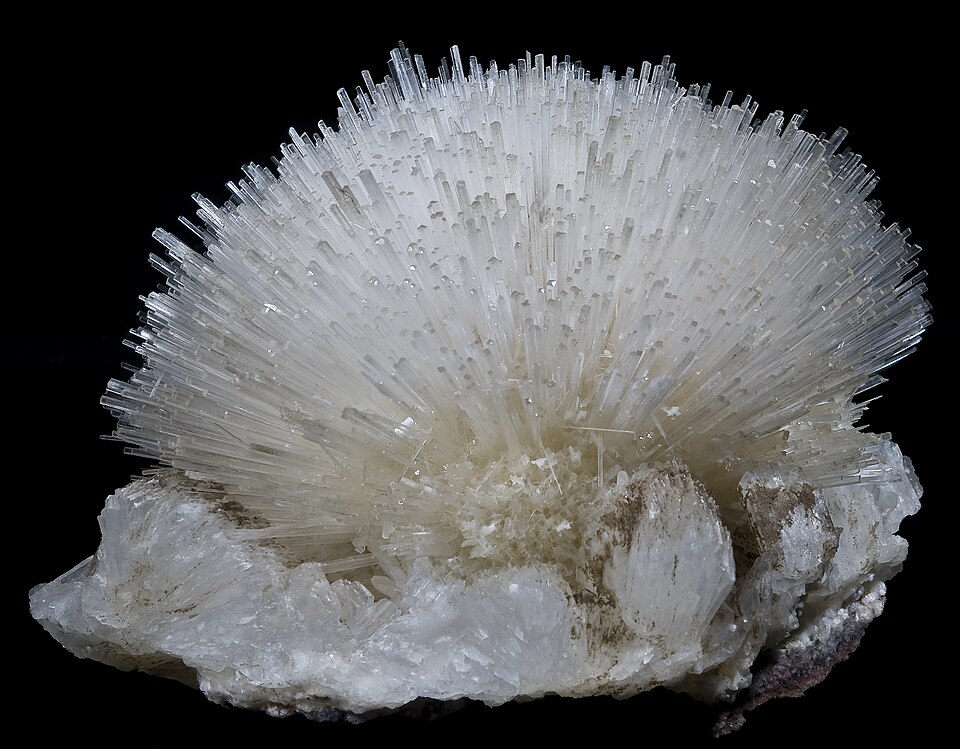
Natrolite
“The sodium zeolite with needle crystals”
Want to identify rocks yourself?