Loess
“Wind-blown dust turned to stone”
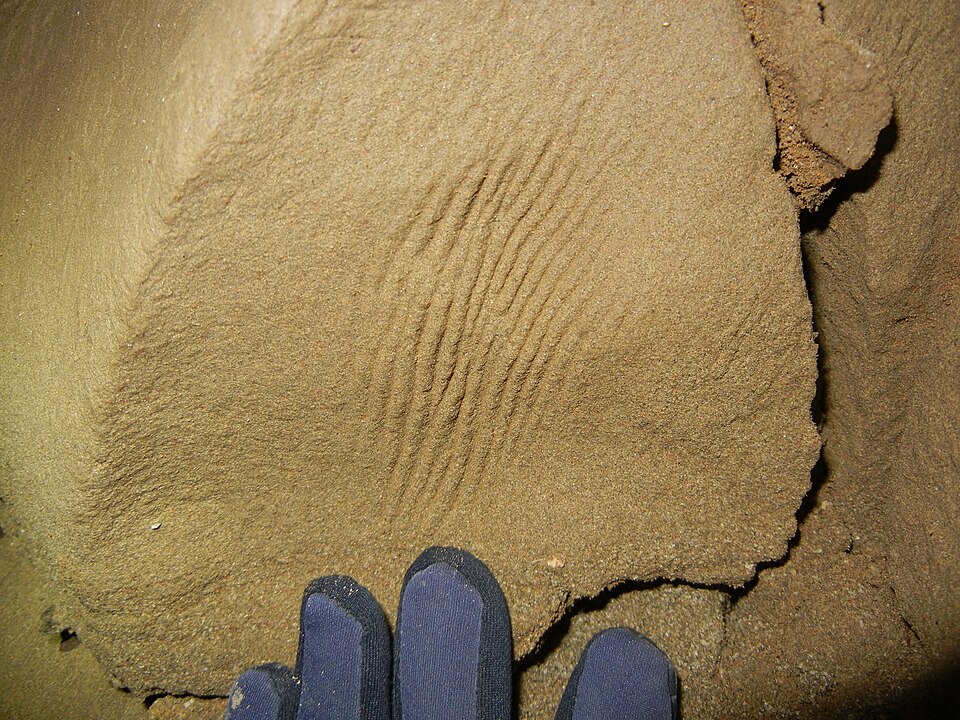
Loess is a fine-grained, pale yellowish-brown sedimentary deposit made of wind-blown silt, primarily quartz particles. Deposited during ice ages when glacial grinding produced vast quantities of rock flour, loess covers about 10% of Earth's land surface and creates some of the most fertile soils in the world.
quartz silt, feldspar, calcite, clay minerals, mica
Chinese Loess Plateau, Mississippi Valley (USA), Rhine Valley (Germany), Pampas (Argentina), Central Europe, New Zealand
Variable (unconsolidated to firm)
China's Loess Plateau has loess deposits over 300 meters thick that record 2.6 million years of climate history — and the region's easily eroded sediment makes the Yellow River the muddiest major river on Earth.
Test Your Knowledge
Why does the Yellow River earn its name from loess deposits?
Photo Attribution
Related Specimens

Want to identify rocks yourself?