Sanukitoid
“Ancient high-magnesium granitic rock”
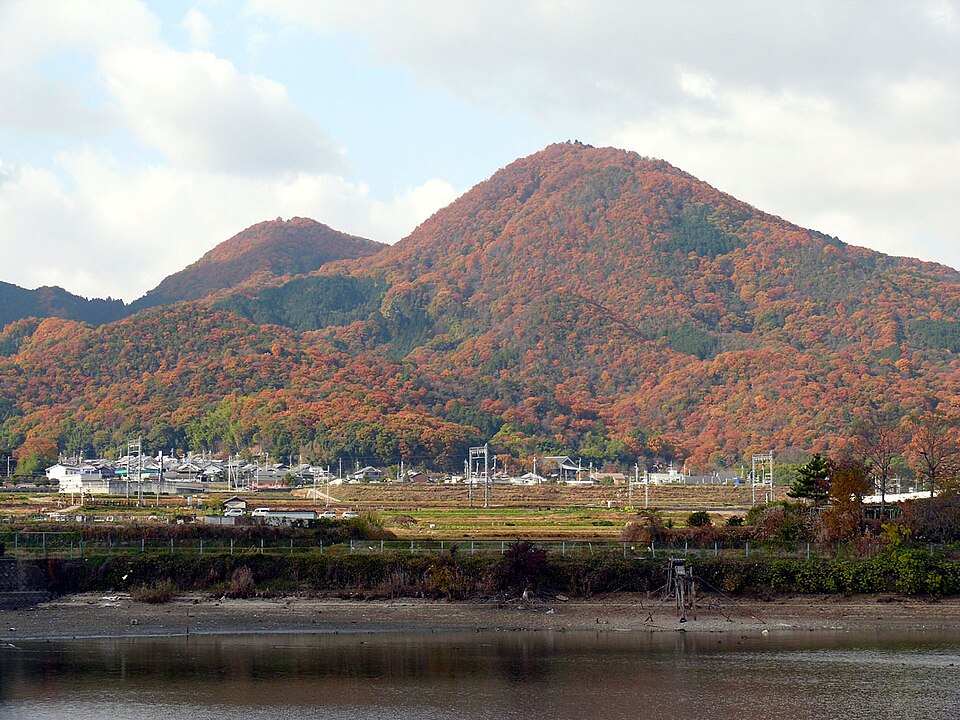
Sanukitoid is a distinctive type of Archean-age (2.5-3.0 billion years old) granitic rock with unusually high magnesium and iron content for a felsic rock. It records a specific period of Earth's geological evolution when the style of magmatism was transitioning from the earliest TTG crust formation to modern-style plate tectonics.
plagioclase, quartz, hornblende (magnesian), biotite, augite, magnetite, alkali feldspar
Superior Province (Canada), Pilbara Craton (Australia), Dharwar Craton (India), Karelian Craton (Finland/Russia), Sanuki region (Japan)
6-7
The global appearance of sanukitoids around 2.7 billion years ago may mark the moment when modern-style subduction began — they could be geological timestamps of one of the biggest transitions in Earth's tectonic history.
Test Your Knowledge
What makes sanukitoids geologically significant for understanding early Earth?
Related Specimens

Want to identify rocks yourself?