Shoshonite
“Potassium-rich lava from mature volcanic arcs”
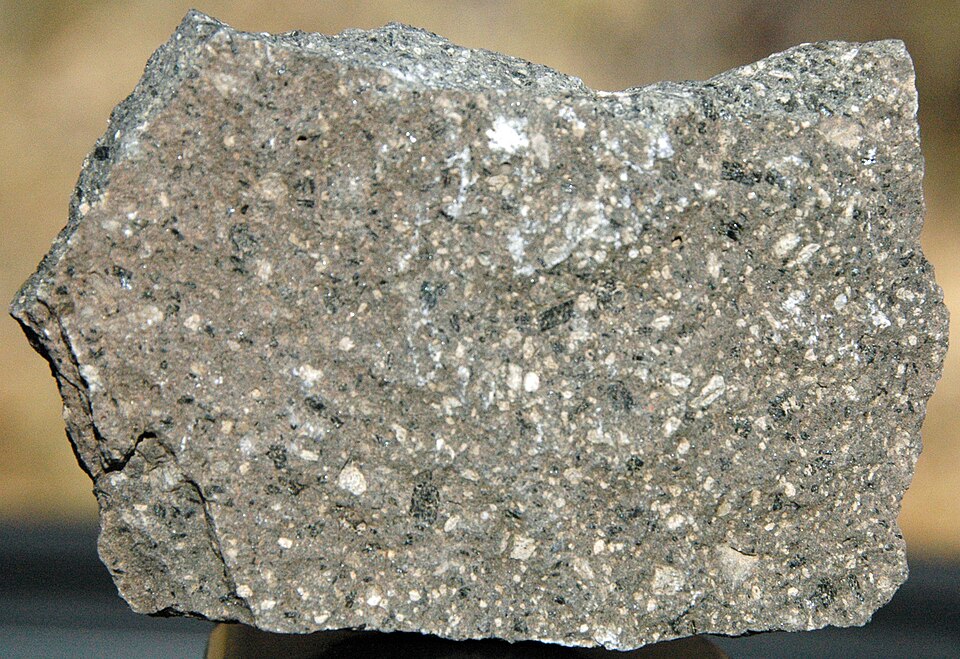
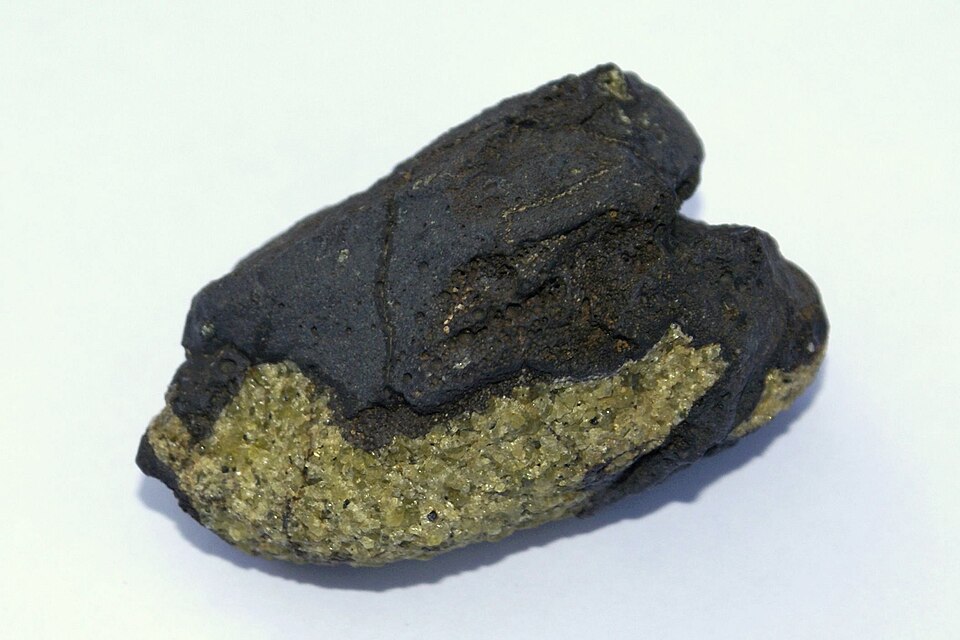
Shoshonite is a potassium-rich basaltic volcanic rock that erupts in the later stages of volcanic arc development, when subduction has been ongoing for tens of millions of years. Its elevated potassium content reflects progressive enrichment of the mantle wedge by fluids from the subducting slab over time.
plagioclase (labradorite), augite, olivine, sanidine, leucite (some varieties), magnetite, apatite
Absaroka Range (Wyoming, USA — type locality), Roman Magmatic Province (Italy), Fiji, Papua New Guinea, Aegean arc (Greece)
5.5-6
The Absaroka Volcanic Supergroup in Wyoming, where shoshonite was first described, produced some of the most potassium-rich lavas in North America — remnants of an Eocene volcanic arc that erupted 50 million years ago.
Test Your Knowledge
What does the high potassium content of shoshonite indicate about the maturity of the volcanic arc where it erupts?
Photo Attribution
Author: James St. John
License: CC BY 2.0
Related Specimens
Want to identify rocks yourself?