Kenyte
“Antarctic phonolite with giant feldspar crystals”
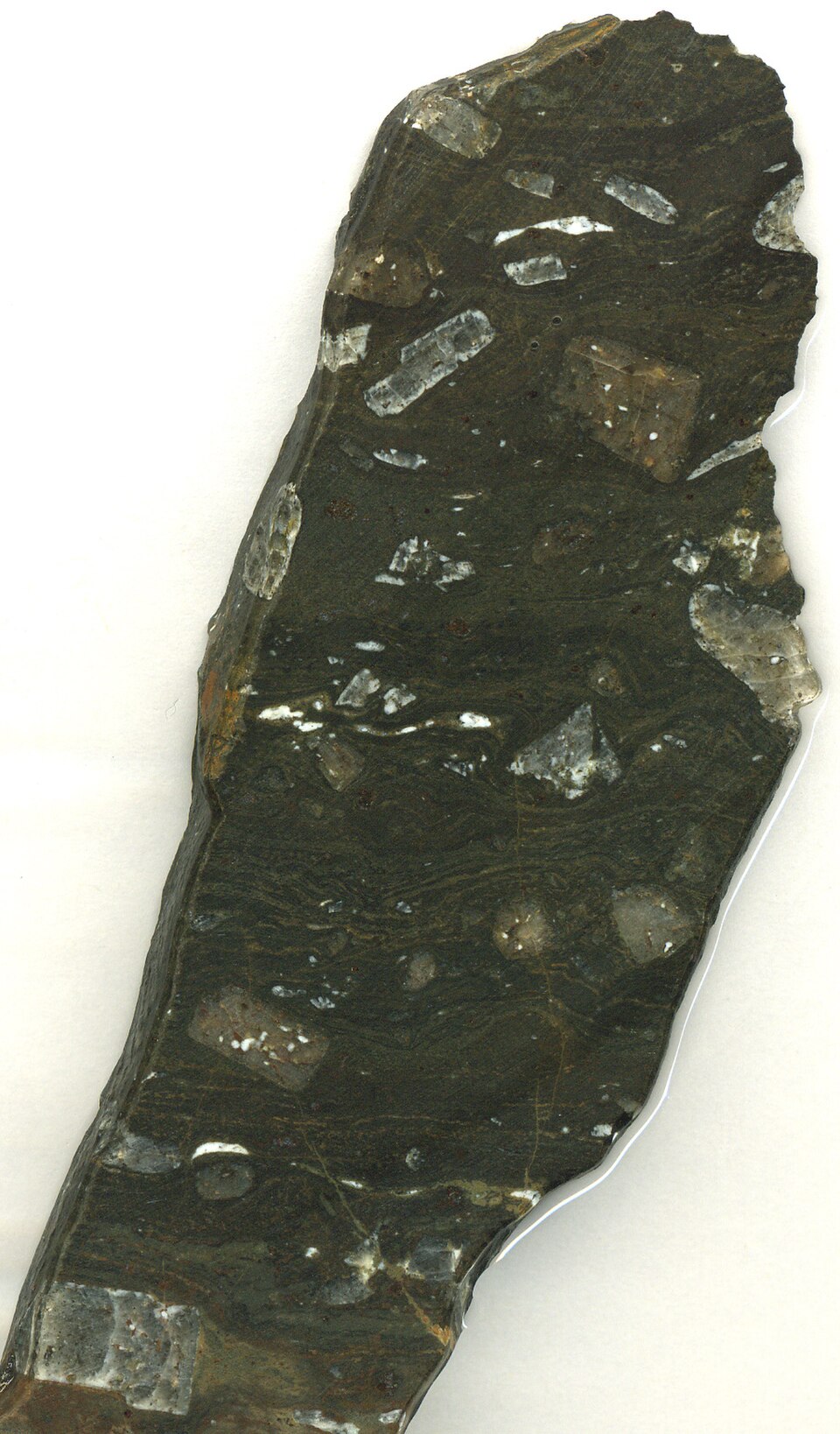
Kenyte is a distinctive variety of phonolite containing large, elongated anorthoclase feldspar phenocrysts (up to 10 cm) set in a fine-grained dark matrix. Named after Mount Kenya, it was famously described from volcanic rocks on Ross Island, Antarctica, making it one of the few rock types first characterized from the frozen continent.
anorthoclase (large phenocrysts), nepheline, augite, olivine, aenigmatite, magnetite
Mount Kenya (Kenya), Mount Erebus (Antarctica), Kilimanjaro (Tanzania), Ross Island (Antarctica), East African Rift
5.5-6
Mount Erebus — Earth's southernmost active volcano — erupts kenyte lava and maintains a persistent lava lake of molten kenyte, making it one of the very few volcanoes where scientists can observe an active phonolitic lava lake.
Test Your Knowledge
The large anorthoclase phenocrysts in kenyte grew in a magma chamber before eruption. What does their size indicate about the magma's pre-eruptive history?
Photo Attribution
Author: James St. John
License: CC BY 2.0
Related Specimens
Recent Specimens
Erionite
“The zeolite more dangerous than asbestos”
Dripstone (Flowstone)
“Cave walls painted in mineral layers”
Potassic Granite (A-type)
“Hot, dry granite from the anorogenic interior”
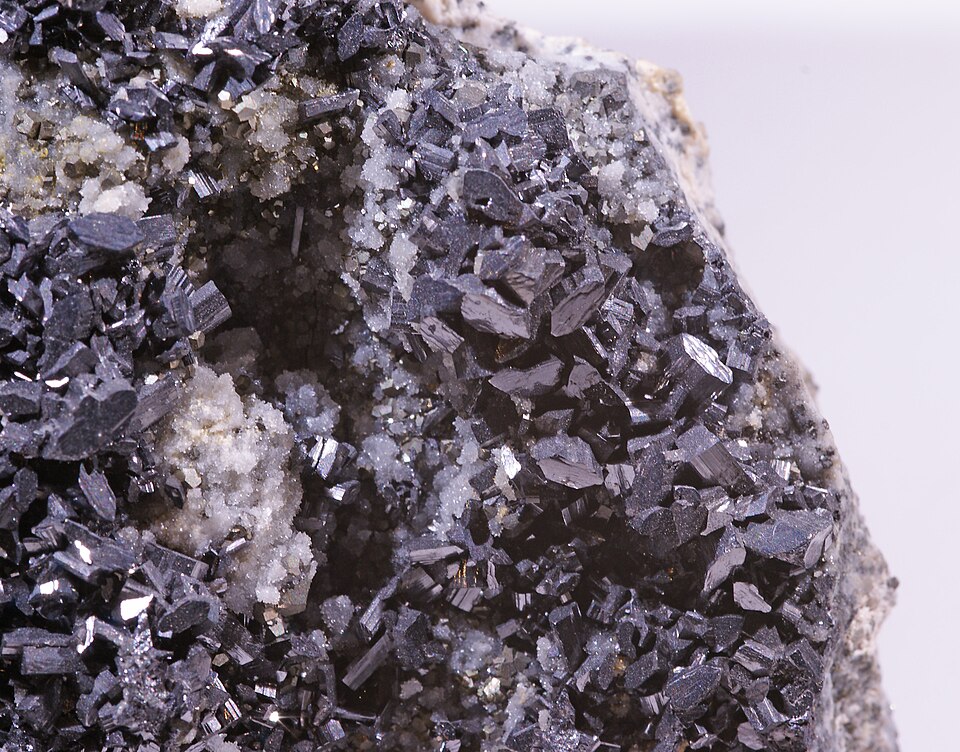
Enargite
“Copper arsenic sulfide from volcanic veins”
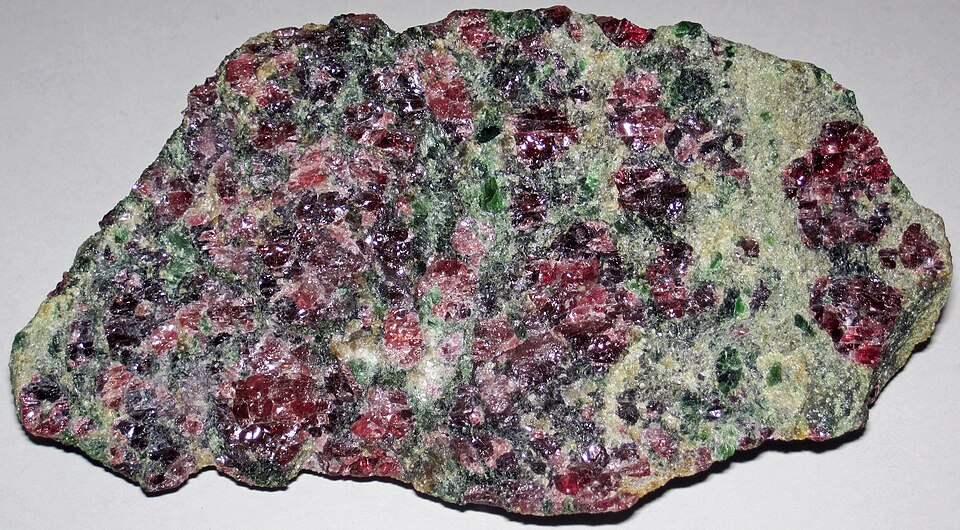
UHP Garnet Peridotite
“Mantle rock squeezed to diamond-bearing depths”
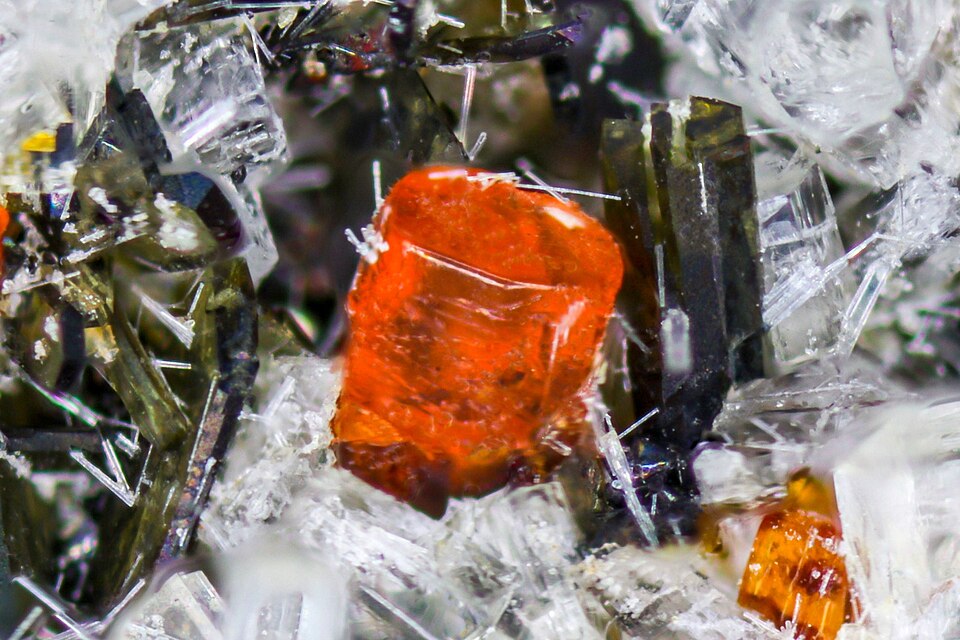
Melilitite
“Ultra-alkaline lava with melilite instead of feldspar”
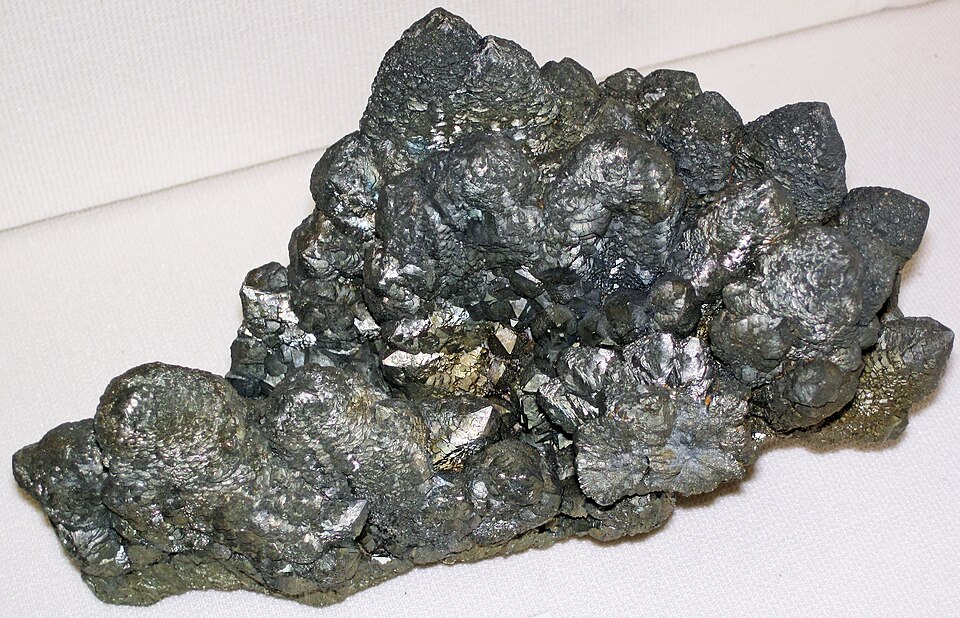
Marcasite
“Pyrite's unstable twin”
Foidolite
“Plutonic rock dominated by feldspathoids”
Want to identify rocks yourself?